In the upcoming MLA annual convention, we are holding a roundtable session to discuss four new books on late imperial China. As these works together demonstrate, gender issues figured prominently in various genres of late imperial Chinese literature and history. Furthermore, gender and genre are at the nexus between many important topics that have been addressed by scholars of China, for example, Confucian paradigms (filiality; state vs. family), identities (seen through clothing, family, surnames, village/local association), emotion/affect, and space (social vs fictional). Authors and editors of those works will briefly introduce their books and discuss some of the shared issues together with the audience.
Books for discussion:
The chapters in this ground-breaking volume examine the complex practices of biographical writing in Ming and Qing China. The authors draw on a rich variety of sources to answer some basic questions: Who were the writers of these texts and the subjects of their biographical constructions? What motivated these textual productions and sustained the routes from (re)creations to (re)publications? The informed and fascinating readings illuminate the enduring appeal of representing and represented lives in Chinese history.
In this groundbreaking interdisciplinary study, Maram Epstein identifies filial piety as the dominant expression of love in Qing dynasty texts. At a time when Manchu regulations made chastity the primary metaphor for obedience and social duty, filial discourse increasingly embraced the dramatic and passionate excesses associated with late-Ming chastity narratives. Qing texts, especially those from the Jiangnan region, celebrate modes of filial piety that conflicted with the interests of the patriarchal family and the state. Analyzing filial narratives from a wide range of primary texts, including local gazetteers, autobiographical and biographical nianpu records, and fiction, Epstein shows the diversity of acts constituting exemplary filial piety. This context, Orthodox Passions argues, enables a radical rereading of the great novel of manners The Story of the Stone (ca. 1760), whose absence of filial affections and themes make it an outlier in the eighteenth-century sentimental landscape. By decentering romantic feeling as the dominant expression of love during the High Qing, Orthodox Passions calls for a new understanding of the affective landscape of late imperial China.
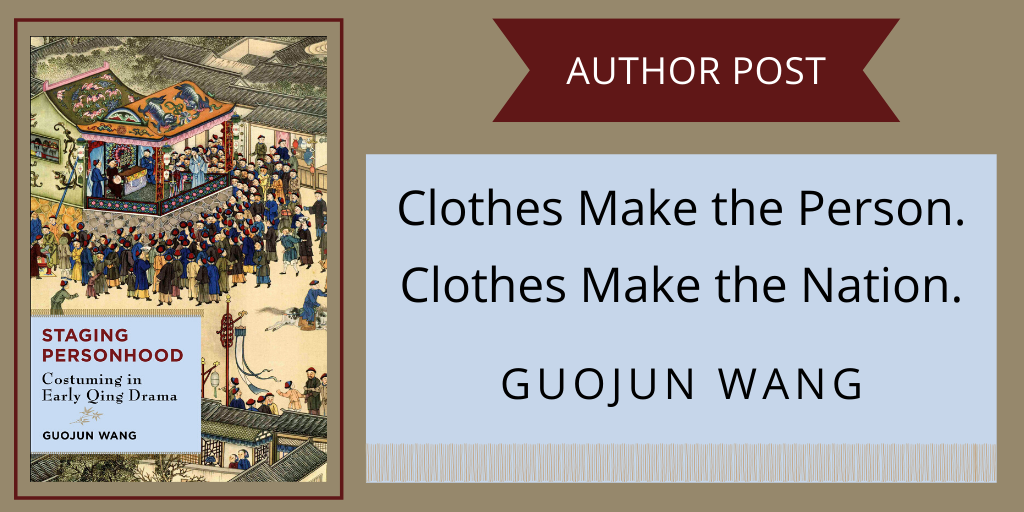
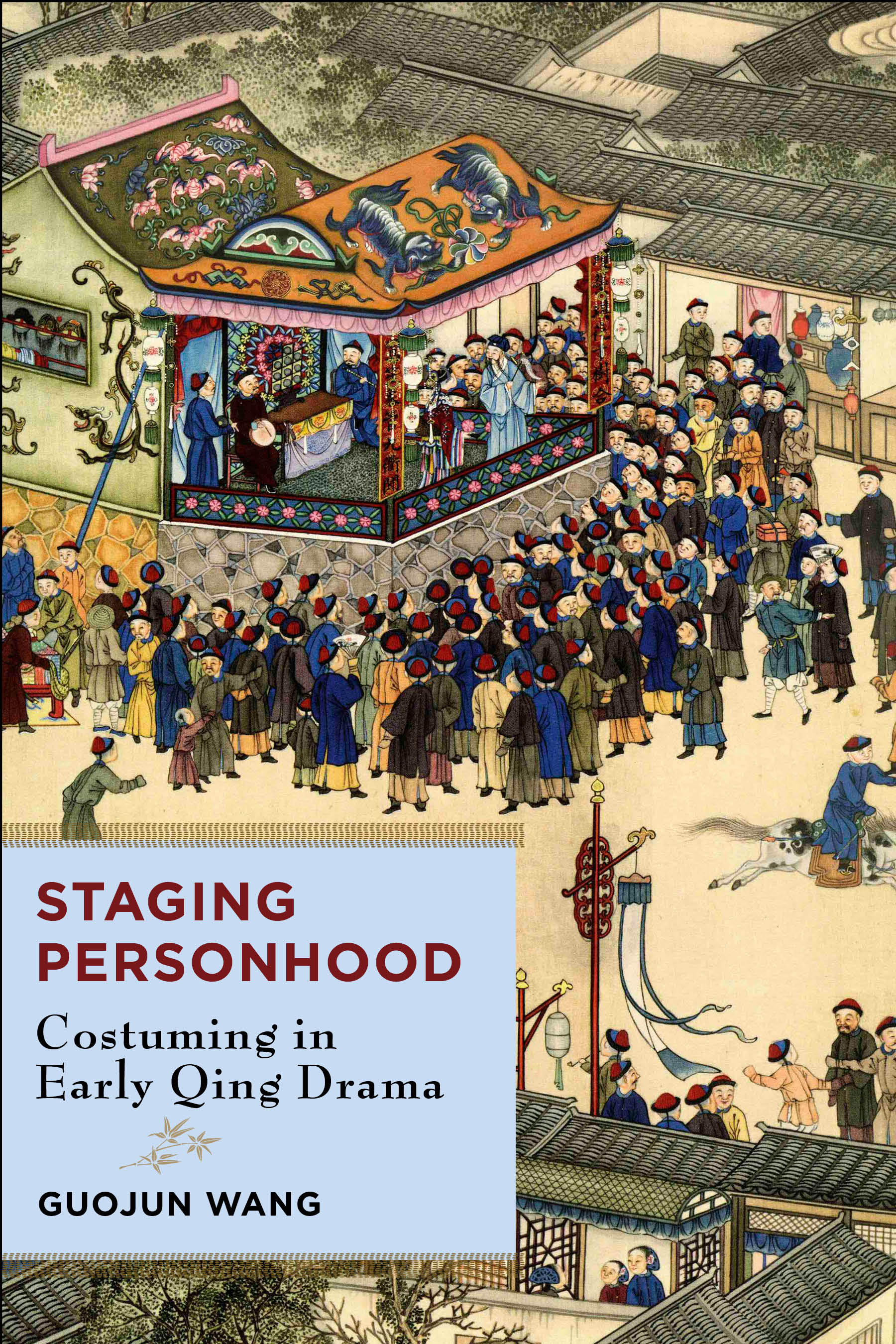
After toppling the Ming dynasty, the Qing conquerors forced Han Chinese males to adopt Manchu hairstyle and clothing. Yet China’s new rulers tolerated the use of traditional Chinese attire in performances, making theater one of the only areas of life where Han garments could still be seen and where Manchu rule could be contested. Staging Personhood uncovers a hidden history of the Ming–Qing transition by exploring what it meant for the clothing of a deposed dynasty to survive onstage. Reading dramatic works against Qing sartorial regulations, Guojun Wang offers an interdisciplinary lens on the entanglements between Chinese drama and nascent Manchu rule in seventeenth-century China. Through careful attention to a variety of canonical and lesser-known plays, visual and performance records, and historical documents, Staging Personhood provides a pathbreaking perspective on the cultural dynamics of early Qing China.
In Woman Rules Within: Domestic Space and Genre in Qing Vernacular Literature, Jessica Dvorak Moyer compares depictions of household space and women’s networks in texts across a range of genres from about 1600 to 1800 C.E. Analyzing vernacular transformations of classical source texts as well as vernacular stories and novels, Moyer shows that vernacular genres use expansive detail about architectural space and the everyday domestic world to navigate a variety of ideological tensions, particularly that between qing (emotion) and li (ritual propriety), and to flesh out characters whose actions challenge the norms of gendered spatial practice even as they ultimately uphold the gender order. Woman Rules Within contributes a new understanding of the role of colloquial language in late imperial literature.





 GUOJUN WANG