
3:45pm, Arlington

3:45pm, Arlington
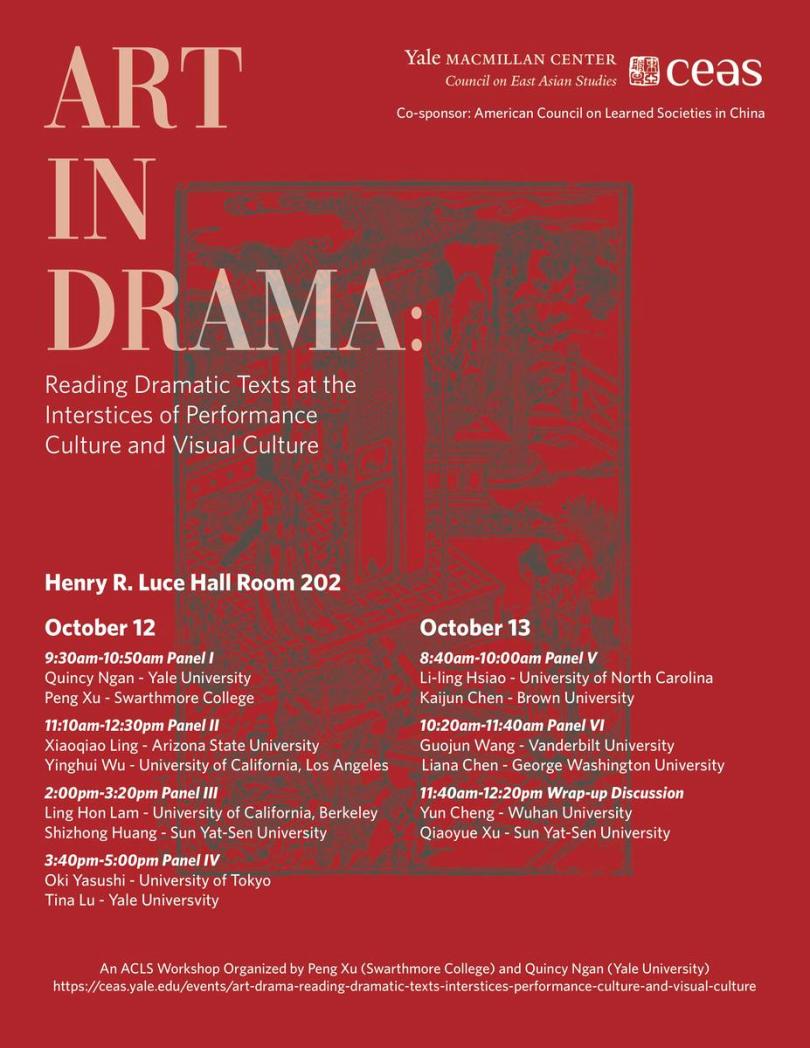
Problematizing the Paratextual Space in Traditional Chinese Drama Prints
This paper considers the relationship between playwrights and their theatrical works through examining a group of drama prints produced in the Qing dynasty. Despite the longstanding tradition of portraiture in traditional China, fictions and dramas seldom included images of the authors. However, starting from the early Qing period, some drama prints included images of the authors in the form of portraits and figures in illustrations. That phenomenon was part of a larger trend in which playwrights and their scholarly friends increasingly took up the paratextual space for self-representation or communal conversation. The paper argues for an increasing authorial presence in traditional Chinese drama, a development enabled by changes in play production and shifting understandings of the dramatic genre.
Just finished a Luce Foundation/ACLS Early Career Seminar in NYC. I was fortunate enough to have inspiring and intensive conversations with four mentors, twelve junior fellows, and Luce/ACLS officers. It’s heart-warming to witness Luce/ACLS’ commitment to China studies; NYC is unique, with its unique people, food, and rain showers.
I valued so much the rapport between my friends and young colleagues. It’s one of the rare occasions in which we can leave aside many things and focus on exchange of ideas.
Special thanks to Paola Zamperini, my mentor during and beyond the two-day program.


Photo credits: Bin Xu
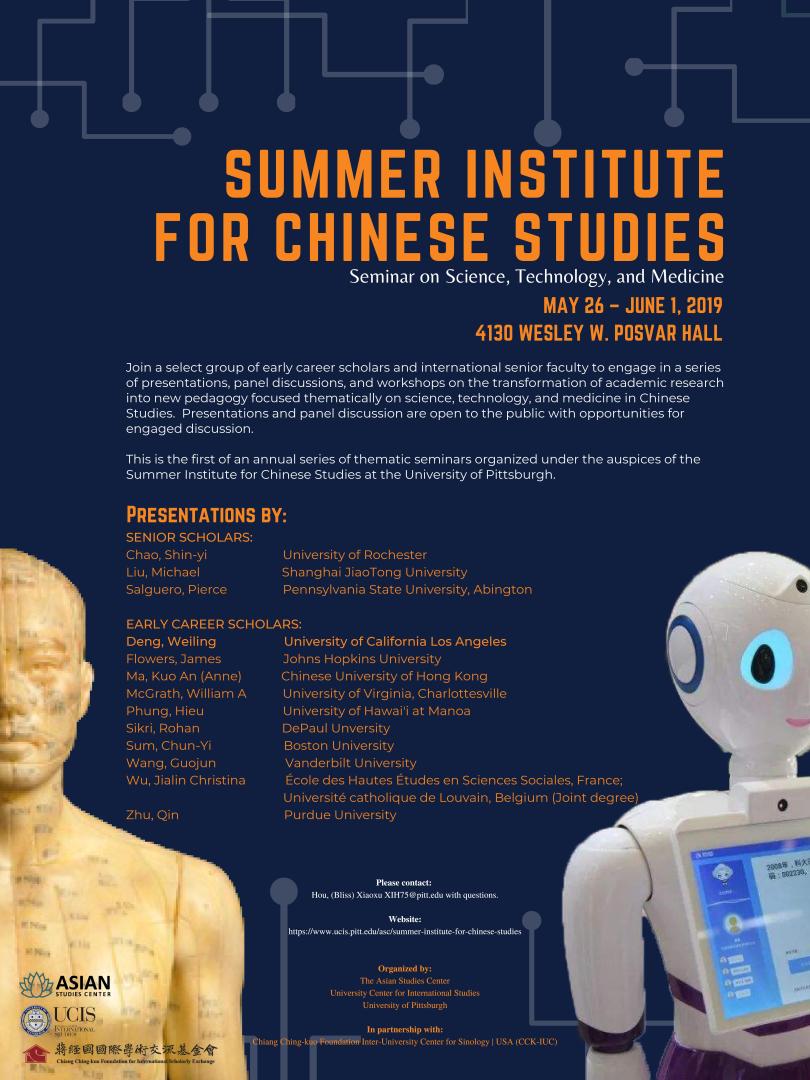
I’m looking forward to participate in the University of Pittsburgh Summer Institute for Chinese Studies––seminar on science, technology, and medicine (5/26-6/1, 2019). Many thanks to Joseph Alter and other colleagues at UP for including me in the program!
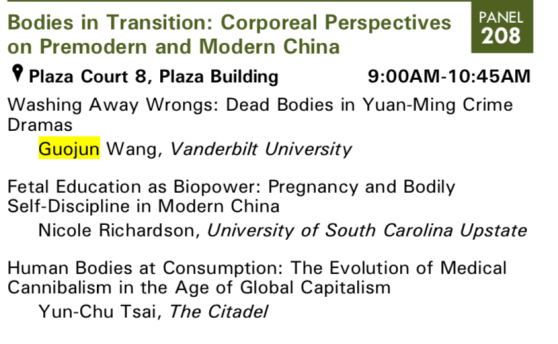
My Abstract: Yuan-dynasty dramas (mostly existing in Ming editions) include some special titles about criminal cases such as the well-known piece The Injustice to Dou E and some rarely studied plays such as Bu renshi (The Virtuous Mother Does Not Recognize the Corpse). Meanwhile, the Song-Yuan period saw the maturation of forensic studies in Chinese history, witnessing the publication of Song Ci’s Xiyuan jilu (Collected Writings on the Washing Away of Wrongs) followed by its different sequels and forensic manuals for local magistrates and their assistants. During the burgeoning period of both Chinese drama and forensic studies, how did theatrical representation and forensic investigation interact with each other? This study answers the question by examining the representation of men’s and women’s dead bodies in some Yuan-Ming plays. The paper focuses on two particular moments in those plays: the transition from a living body to a dead body; and the transition from corpse to legal evidence. It shows that, on the one hand, Yuan-Ming dramas heavily drew from actual practices involving corpses in society; and on the other hand, dead bodies as theatrical devices provided an anchor for plot developments as well as a unique venue to voice and perform concerns about personal identities.
This is belated news: My paper “The Inconvenient Imperial Visit: Writing Clothing and Ethnicity in 1684 Qufu” (Late Imperial China) won a 2017 SEC/AAS article prize.
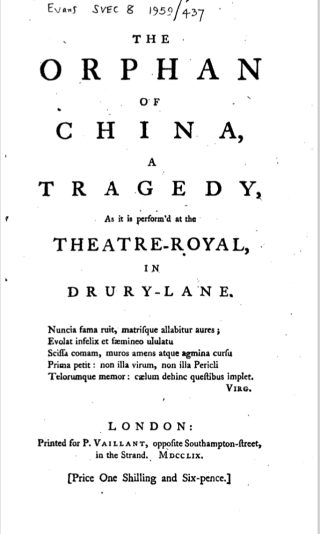
I’m glad to be recipient of a MacroGrant from The Vanderbilt Institute of Digital Learning (VIDL) to support my teaching/research project “Transcultural Learning through Virtual and Performance Spaces.” Through the project, my students and I will explore the circulation of a classical Chinese drama The Orphan of Zhao in different languages; we’ll also stage a performance of the drama at Vanderbilt U.
My book manuscript Exile to the Stage: Costuming and Personhood in Early Qing Drama has been contracted with Columbia University Press and is scheduled to be published in 2020.
Imagining my future book…


 GUOJUN WANG